Nutrition Guide
Master the science of meal timing and optimal nutrition
Meal Timing Fundamentals
Understanding Circadian Rhythms
Your body operates on a 24-hour cycle that influences hunger, digestion, and energy levels. Aligning your meals with these natural rhythms optimizes nutrient absorption and metabolic efficiency. When you eat at consistent times, your digestive system prepares in advance, improving the breakdown and absorption of nutrients.
- Consistent meal times regulate appetite hormones
- Improved nutrient absorption and utilization
- Enhanced energy distribution throughout the day
- Better sleep-wake cycle regulation
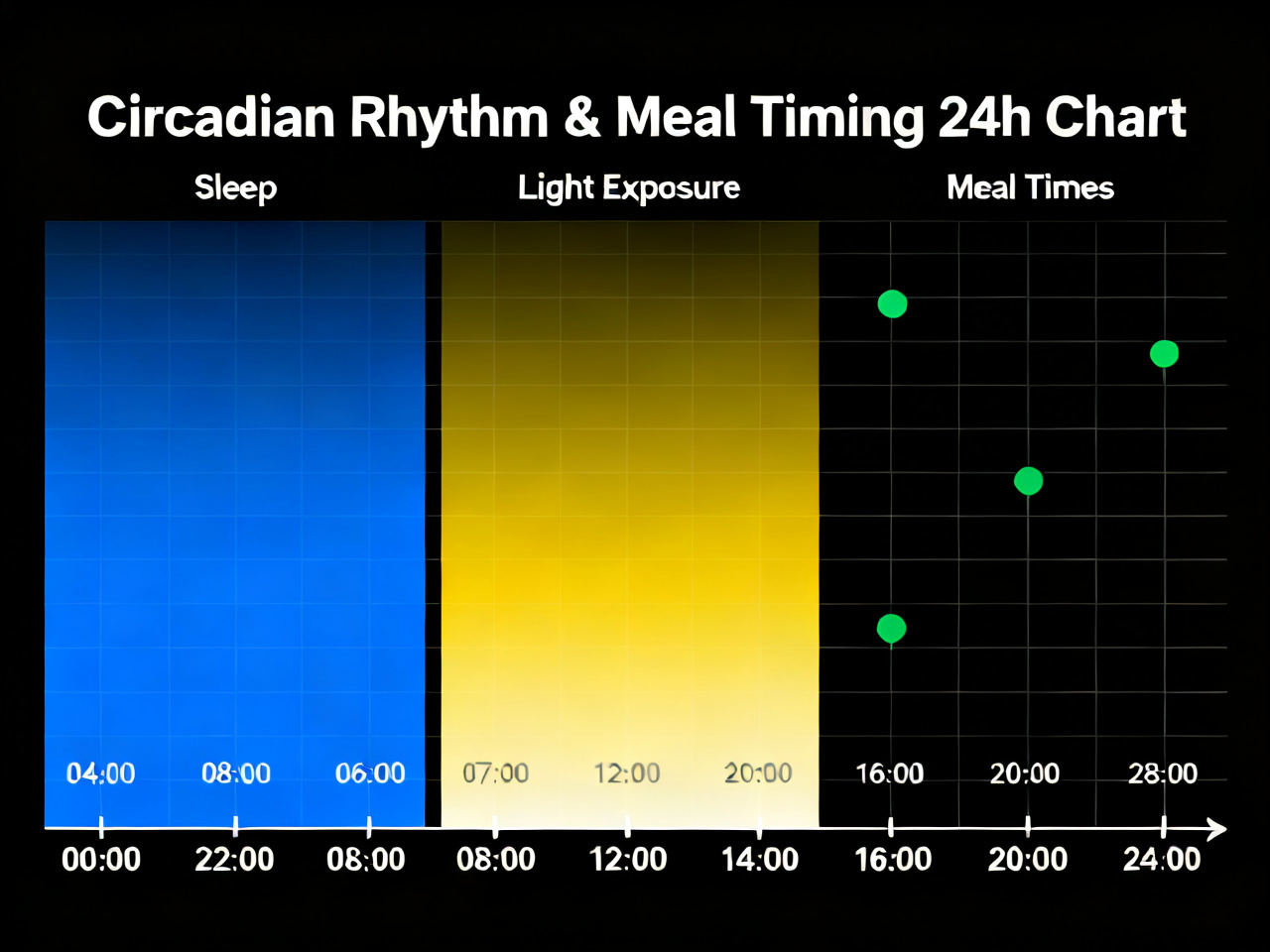
Optimal Daily Meal Schedule
Breakfast (6-8 AM)
Start your day within one hour of waking. Include protein, complex carbohydrates, and healthy fats to stabilize blood sugar and provide sustained energy for morning activities.
Mid-Morning Snack (10-11 AM)
A light snack prevents energy dips and maintains focus. Choose nutrient-dense options like nuts, fruits, or yogurt to bridge the gap until lunch.
Lunch (12-1 PM)
Your main meal should include lean protein, vegetables, and whole grains. This timing aligns with peak digestive efficiency and supports afternoon productivity.
Afternoon Snack (3-4 PM)
Combat the afternoon energy slump with a balanced snack. This prevents overeating at dinner and maintains stable blood sugar levels.
Dinner (6-7 PM)
Eat dinner at least 2-3 hours before bed. Include lighter proteins and vegetables to support digestion without disrupting sleep quality.
Evening Hydration
Maintain hydration throughout the day, but reduce fluid intake an hour before bed. Proper hydration supports all metabolic processes and cognitive function.
Macronutrient Balance
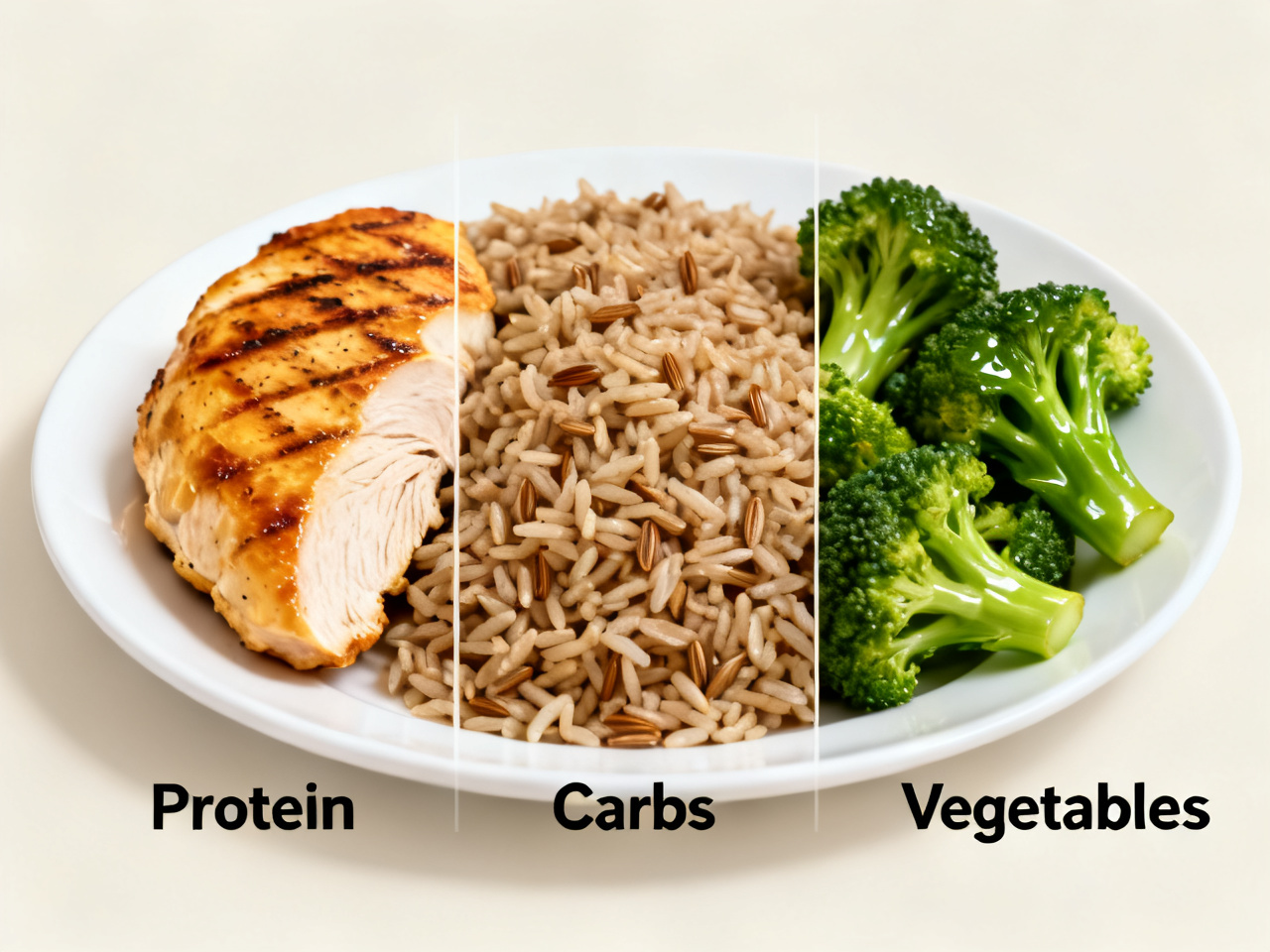
Each meal should contain a balance of macronutrients to provide sustained energy and support various bodily functions. Protein supports muscle maintenance and satiety, carbohydrates provide energy, and healthy fats support hormone production and nutrient absorption.
- Protein: 25-35% of daily calories
- Carbohydrates: 45-65% of daily calories
- Fats: 20-35% of daily calories
- Fiber: 25-30g daily for digestive health
Expert Nutrition Tips
Hydration Strategy
Drink water consistently throughout the day. Aim for 8-10 glasses daily, adjusting for activity level and climate. Proper hydration supports digestion and energy levels.
Portion Control
Use your hand as a guide: protein the size of your palm, carbohydrates the size of your fist, and fats the size of your thumb. This simple method ensures balanced portions.
Food Quality
Choose whole, unprocessed foods whenever possible. Whole grains, lean proteins, fresh vegetables, and healthy fats provide superior nutrition compared to processed alternatives.
Mindful Eating
Eat slowly and without distractions. Chew thoroughly to aid digestion and allow your brain time to register fullness, preventing overeating.
Meal Prep
Prepare meals in advance to ensure you have nutritious options available. This reduces reliance on convenience foods and supports consistent meal timing.
Listen to Your Body
While consistency is important, pay attention to hunger and fullness cues. Adjust meal timing slightly based on your individual needs and activity level.
Need Personalized Guidance?
Our nutrition experts are ready to help you create a personalized meal plan tailored to your goals and lifestyle.